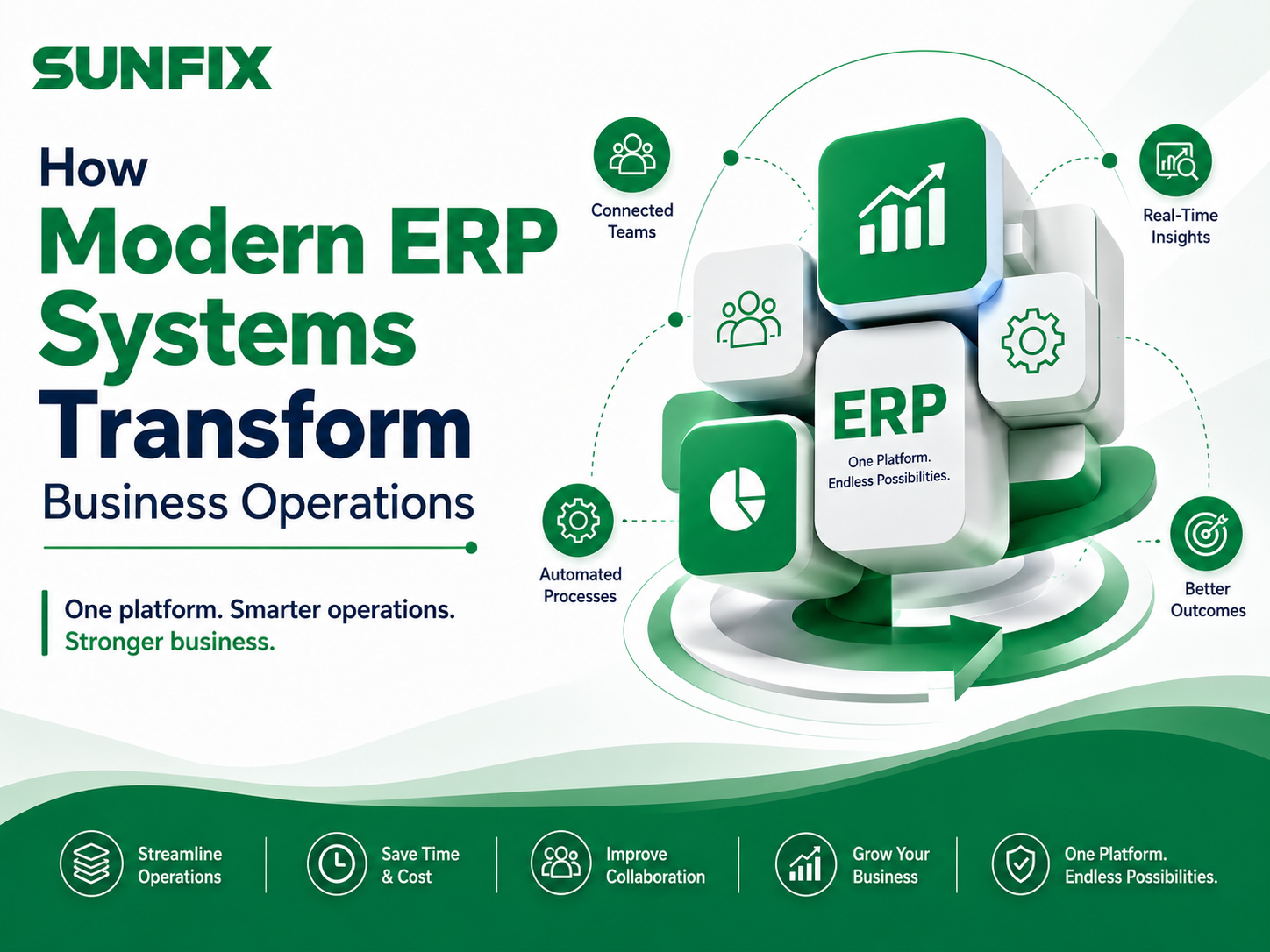

Before implementing an ERP system, you need to know the purpose of using ERP; Expenses You will need to discuss with your ERP vendor which business to use. After this step you will be able to begin the process of implementing the ERP.
✔ What do you do next? You must first create an ERP Implementation Schedule to determine who will be allowed to use what features. You do not have to do this yourself, just send us the ERP Vendors.
The process of moving and integrating data is complicated. You must submit accurate business information. My advice to you here is to send specific business information that cannot be kept secret. Then your ERP system will be able to generate accurate information.
✔ Another is ERP User Training. You need to train your employees to become familiar with the ERP system. Procedures of the purchased ERP system; Tutorial Videos It will include training by user type.
✔ Once you have completed the above steps, let me tell you that the last step is testing. First of all, you need to take some time to experiment with various methods to get a flawless ERP system.
 Article
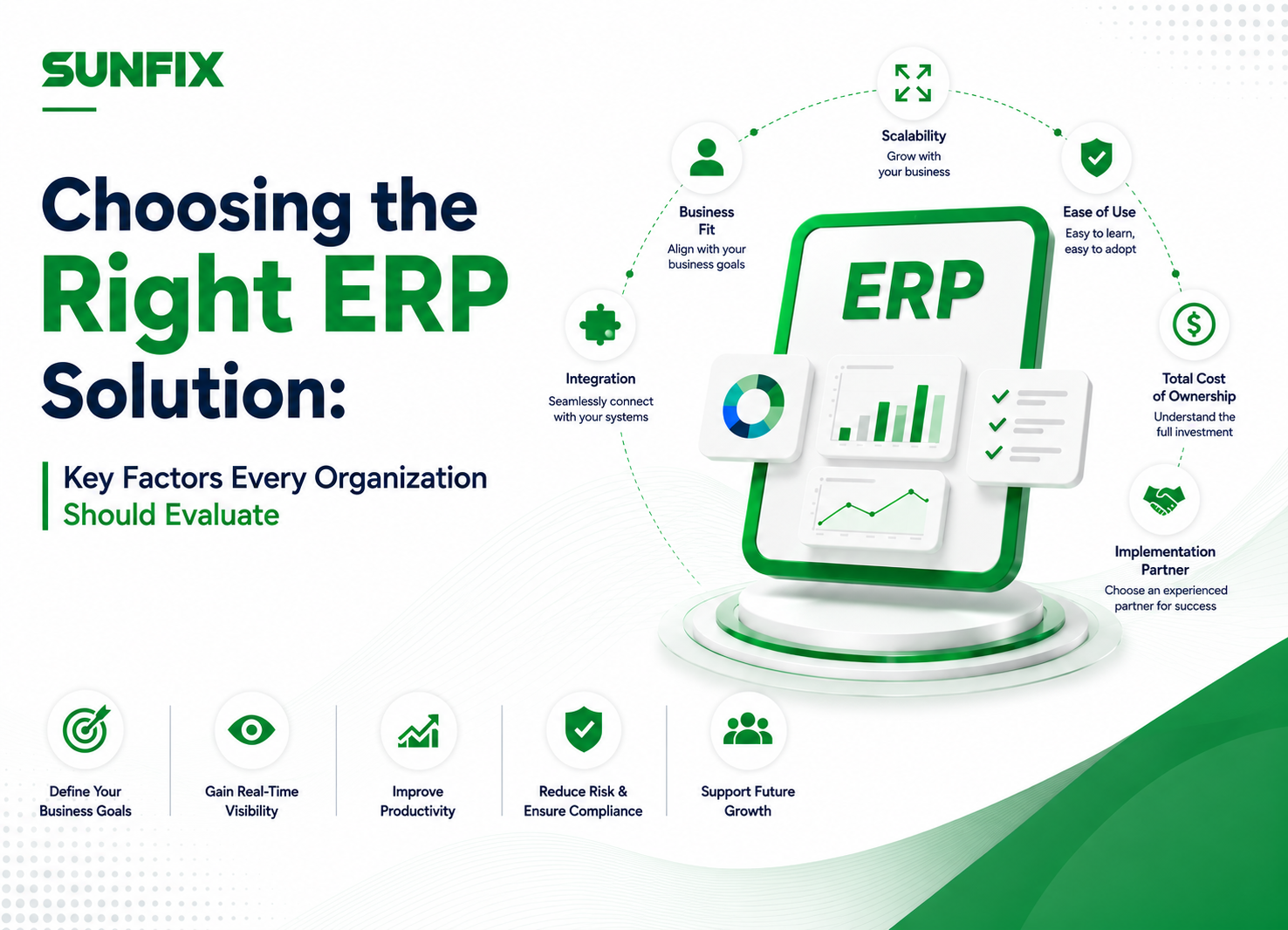
Choosing an ERP isn’t just about buying software- it’s about investing in the future of your business. The wrong choice can lead to costly delays, frustrated employees, and inefficient processes. The right one can transform how your organization operates.